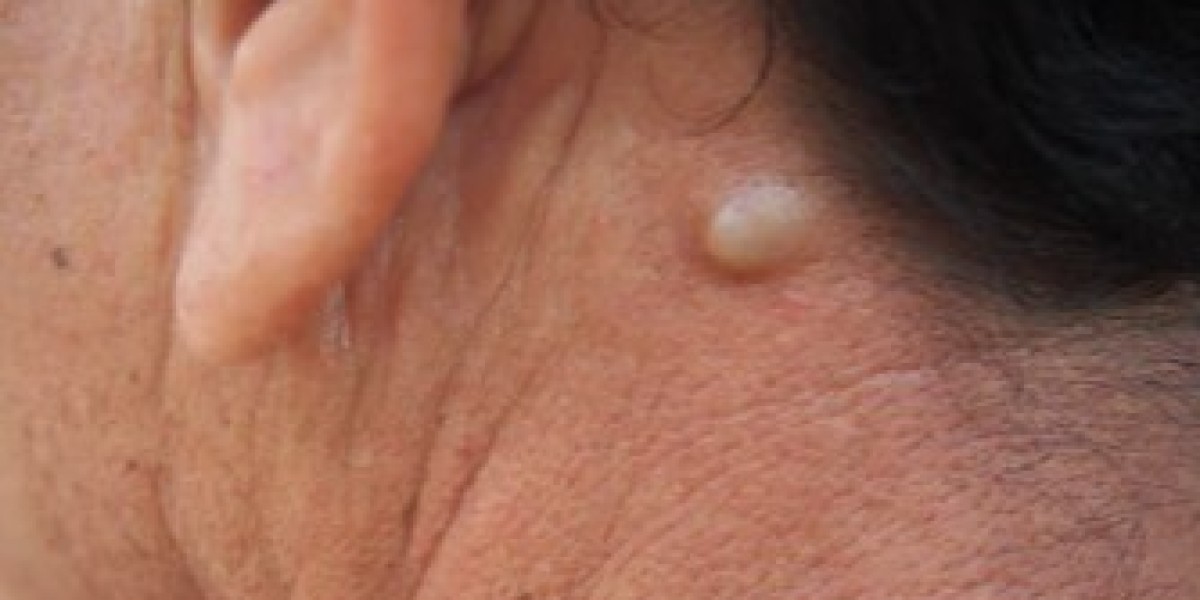

Knowing what to do—and what not to do—can help you manage the cyst effectively and avoid unnecessary issues. Visit our site to know about Sebaceous Cyst REMOVAL COST (أسعار عملية الكيس الدهني في الرياض)
Do’s of Sebaceous Cyst Care
1. Do Keep the Area Clean
Why: Proper hygiene helps reduce the risk of infection and inflammation.
How: Wash the cyst area gently with mild soap and water. Avoid scrubbing the cyst, as this can irritate the skin.
Tip: Use a soft washcloth or your hands to clean the skin, avoiding harsh exfoliants or scrubs near the cyst.
2. Do Apply a Warm Compress (If Non-Infected)
Why: A warm compress can help encourage drainage, reduce inflammation, and soothe discomfort in non-infected cysts.
How: Soak a clean cloth in warm water and apply it to the cyst for 10-15 minutes, several times a day. This can help soften the cyst and promote fluid release.
Tip: Use a towel or cloth that’s not too hot to avoid burning or irritating the skin.
3. Do Protect the Cyst From Trauma
Why: Sebaceous cysts can become inflamed or irritated if they are physically injured, which could lead to infection or rupture.
How: Avoid touching, rubbing, or pressing on the cyst. If the cyst is in an area that’s prone to friction (e.g., your back or neck), consider using a bandage or clothing to protect it.
Tip: Be mindful of tight clothing, backpacks, or sports gear that may rub against the cyst.
4. Do Monitor for Signs of Infection
Why: If a sebaceous cyst becomes infected, it may need medical attention. Catching infection early reduces the risk of more serious complications.
What to Watch For: Redness, swelling, tenderness, warmth, or drainage of pus are all signs of infection.
Tip: If you notice any of these symptoms, consult your doctor for advice and possibly a prescription for antibiotics.
5. Do Seek Medical Advice If the Cyst Becomes Painful or Swollen
Why: Persistent pain, swelling, or changes in the cyst's appearance may indicate infection or other complications.
How: If you experience significant discomfort, or if the cyst seems to be enlarging quickly, consult a healthcare provider to evaluate whether it requires medical intervention, such as drainage or removal.
Tip: It's better to address the issue sooner rather than later to avoid complications like abscesses or ruptures.
6. Do Consider Professional Removal for Large or Recurrent Cysts
Why: Larger cysts or those that frequently recur may require professional care to remove them fully and prevent further problems.
How: A doctor can excise the cyst completely under local anesthesia, which is the best way to prevent recurrence and ensure the cyst doesn’t come back.
Tip: Ask your healthcare provider about the best course of action for cysts that keep returning, especially if they affect your quality of life or appearance.
Don’ts of Sebaceous Cyst Care
1. Don’t Squeeze or Pop the Cyst
Why: Squeezing or trying to pop a sebaceous cyst can lead to infection, inflammation, or rupture. It may also push the contents deeper into the skin, causing further complications.
How: Avoid the temptation to “pop” the cyst or squeeze it in an attempt to drain it. This can cause bacteria to enter the cyst and trigger infection.
Tip: Let a doctor handle drainage if necessary. They have the proper tools and knowledge to do it safely.
2. Don’t Ignore Signs of Infection
Why: Infection can spread or worsen if not addressed early, leading to more serious health issues like an abscess or cellulitis.
What to Avoid: Don’t wait for the cyst to drain on its own or think it will go away by itself. If the cyst becomes red, swollen, or painful, seek medical attention promptly.
Tip: You might need antibiotics or an incision and drainage procedure if the cyst is infected. Early intervention is key.
3. Don’t Try to Drain the Cyst Yourself
Why: Improper draining of the cyst can increase the risk of infection or scarring and may not remove the entire cyst, which can lead to recurrence.
How: If the cyst is large or causing pain, consult a doctor who can drain it safely in a sterile environment, and remove any residual contents.
Tip: Don’t attempt to drain the cyst at home. It can be tempting, but it’s best left to professionals.
4. Don’t Ignore Recurrent Cysts
Why: If a sebaceous cyst continues to return after being drained or treated, it’s important to explore more permanent solutions, such as surgical excision.
What Happens: A recurring cyst may indicate that part of the cyst wall or lining remains, causing the cyst to reform.
Tip: If cysts keep coming back, talk to your doctor about surgical excision or other treatments to prevent recurrence.
5. Don’t Apply Harsh Chemicals or Scrubs to the Cyst
Why: Harsh chemicals, exfoliants, or abrasive scrubs can irritate the cyst, leading to more inflammation or even rupture.
How: Use a gentle, non-abrasive cleanser and avoid putting any strong or medicated creams directly on the cyst unless recommended by your healthcare provider.
Tip: Only use mild skincare products around the cyst and avoid any that contain alcohol, as they can dry out or irritate the skin.
6. Don’t Leave the Cyst Untreated if It Becomes Painful or Infected
Why: Painful or infected cysts require attention to prevent more serious complications.
How: If the cyst becomes tender, warm to the touch, or drains pus, it’s important to consult a healthcare professional right away. Untreated infections can lead to abscesses or cellulitis.
Tip: If in doubt, seek professional medical care. A timely intervention may save you from more invasive procedures down the road.
Additional Tips for Sebaceous Cyst Care
Hydrate: Keeping your skin hydrated helps maintain its elasticity and health, potentially preventing the formation of cysts.
Exfoliate Gently: Regular, gentle exfoliation of your skin can help prevent clogged pores, but be careful not to irritate or damage the cyst.
Stay Consistent: If you’re prone to sebaceous cysts, consistent care can help reduce their formation. Use non-comedogenic skincare products and avoid skin trauma.
Summary:
Do’s:
Keep the cyst clean and monitor it regularly for signs of infection.
Use a warm compress to reduce inflammation and encourage drainage (if non-infected).
Seek medical advice if the cyst becomes painful, swollen, or infected.
Consider professional removal for larger or recurrent cysts.
Don’ts:
Never squeeze or pop the cyst yourself.
Don’t ignore signs of infection or leave infected cysts untreated.
Avoid draining the cyst yourself or using harsh chemicals around it.
Don’t let recurrent cysts go unchecked; surgical excision may be necessary.