
Lipedema unfolds gradually, transforming from subtle changes to significant challenges that affect mobility and quality of life. Understanding this progression empowers individuals to seek timely interventions and adopt supportive strategies. This guide breaks down each stage with clear insights to help you recognize and respond effectively.
Understanding Lipedema Basics
Lipedema represents a chronic condition characterized by abnormal fat accumulation, primarily in the legs, thighs, buttocks, and sometimes arms. Unlike regular fat, this tissue resists diet and exercise, often leading to pain, bruising, and swelling. Awareness of its distinct nature separates it from obesity or lymphedema, setting the foundation for tracking its evolution.
Lipedema in Riyadh draws attention as more women notice disproportionate lower body fat that doesn't respond to conventional weight loss. Hormonal influences, particularly during puberty, pregnancy, or menopause, frequently trigger onset, making early education crucial. Recognizing these patterns allows for proactive monitoring in urban settings where lifestyle factors amplify symptoms.
The Subtle Onset
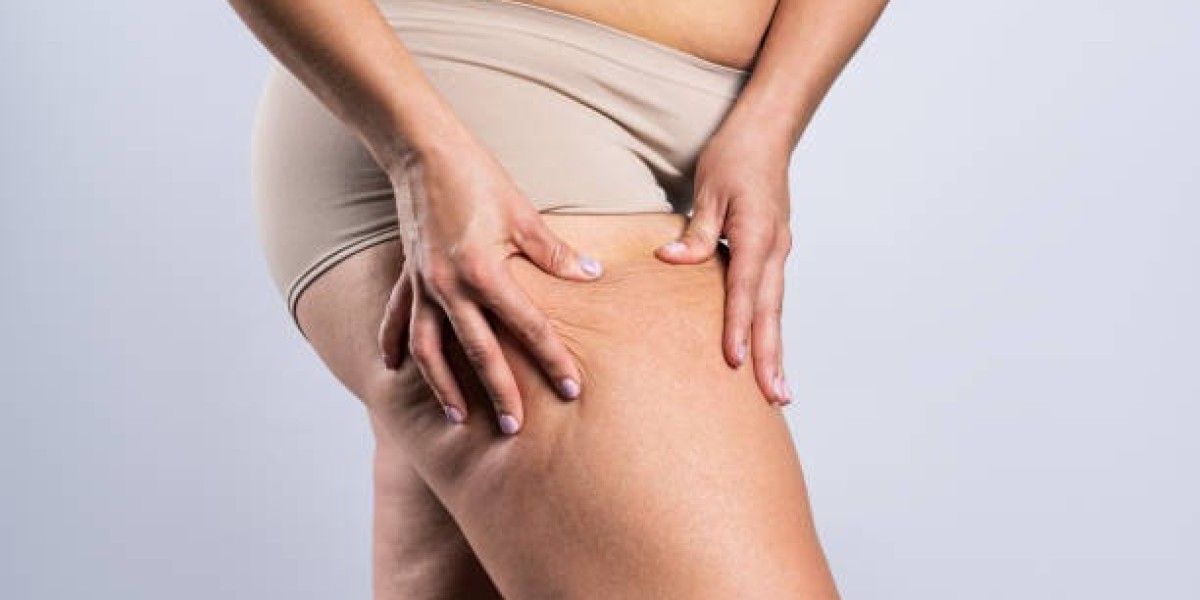
In the initial phase, lipedema appears as a smooth, even layer of fat under the skin, resembling an orange peel texture only upon close inspection. Legs feel heavy, with mild tenderness when pressed, but swelling recedes overnight. Many dismiss these as normal weight gain, delaying awareness.
This stage often emerges in the teens or 20s, coinciding with hormonal shifts. Fat builds symmetrically on both legs, sparing hands and feet, which creates a column-like shape. Daily activities remain unaffected, yet subtle pain during prolonged standing hints at progression.
Vigilance here prevents escalation; gentle movement and anti-inflammatory habits can maintain comfort. Tracking changes through photos or measurements builds a personal timeline for future reference.
Noticeable Thickening
As lipedema advances, fat deposits thicken into nodules, causing skin to develop a mattress-like appearance with deeper indentations. Pain intensifies, especially with touch or pressure, and bruising occurs spontaneously from minor bumps. Swelling persists longer, even after rest.
This middle stage typically hits in the 30s or 40s, overlapping with life events like childbirth. Arms may join the legs in asymmetry, complicating clothing choices and self-image. Mobility dips slightly, with fatigue creeping into walks or stairs.
Education on compression garments proves vital now, easing lymph flow and reducing discomfort. Lymphatic drainage techniques offer relief, highlighting the need for consistent self-care routines.
Lumpy Deformities Emerge
Large, lobular fat protrusions dominate stage 3, distorting limb shape into uneven, doughy masses. Skin folds deepen, increasing infection risks like cellulitis. Pain becomes constant, with joints stressed from overburdened tissues, leading to hypermobility issues.
Often seen in the 50s amid menopausal changes, this phase impairs gait, causing knee or hip strain. Emotional toll rises as clothing fits poorly and social withdrawal tempts. Yet, targeted therapies can stabilize advancement.
Building strength through adapted exercises preserves function, while mindset shifts foster resilience. Communities sharing experiences remind that isolation isn't inevitable.
Transition to Lipo-Lymphedema
The final stage merges lipedema with secondary lymphedema, where lymph fluid accumulates, ballooning legs dramatically. Skin hardens with fibrosis, mobility plummets, and wounds heal slowly. Wheelchair use becomes common as pain limits basic tasks.
This overlaps with aging, exacerbating vascular issues. Comprehensive management, blending manual therapy and movement, slows decline. Hope lies in multidisciplinary approaches tailored to individual needs.
Factors Accelerating Progression
Hormonal fluctuations speed lipedema's march, with estrogen dips worsening fat retention. Sedentary habits compound stagnation, while poor diet fuels inflammation. Genetics play a starring role, clustering in families.
Weight gain, even modest, amplifies nodules, creating a vicious cycle. Stress elevates cortisol, indirectly hastening changes. Conversely, early action through hydration, elevation, and low-impact activity acts as a brake.
Daily Strategies to Slow Advancement
Incorporate anti-inflammatory foods like berries and fatty fish to combat swelling. Prioritize elevation post-activity, propping legs above heart level for 30 minutes daily. Compression wear, fitted properly, supports circulation without constriction.
Mindful walking on soft surfaces builds endurance safely. Track symptoms in a journal, noting triggers like heat or salt. These habits transform management from reactive to empowering.
Emotional and Psychological Impacts
Progression erodes confidence, sparking body image struggles amid disproportionate shapes. Isolation grows as comparisons sting, yet stories of thriving women inspire. Support groups normalize the journey, reducing anxiety.
Mindfulness practices, such as guided breathing, alleviate mental load. Celebrating small wins—like easier movement—rebuilds positivity. Professional counseling addresses grief over changes.
Promising Management Approaches
Conservative therapies shine: manual lymphatic drainage decongests tissues weekly. Pneumatic devices at home mimic professional sessions. Tailored physical therapy strengthens without overload.
Surgical options like liposuction remove fibrotic fat selectively, but pair with lifelong maintenance. Nutritionists craft plans minimizing carbs to curb progression. Innovation continues, blending tech with tradition.
Ready to address your lipedema concerns? Book an appointment for a consultation at a clinic like Enfield Royal Riyadh (إنفيلد رويال الرياض) to explore personalized strategies.
FAQs
? What Triggers Lipedema Progression?
Hormonal shifts, inactivity, and inflammation accelerate stages, often unnoticed until pain builds. Genetics set the stage, but lifestyle tweaks intervene effectively.
? How Do You Differentiate Lipedema Stages?
Stage 1 feels smooth and mild; stage 2 nodules form; stage 3 deforms visibly; stage 4 adds lymphedema swelling. Self-exams and photos aid tracking.
? Can Diet Slow Lipedema Advancement?
Anti-inflammatory diets rich in omega-3s and veggies reduce swelling, easing symptoms across stages. Avoid processed foods to prevent flare-ups.
?♀️ Best Exercises for Lipedema Progression?
Aquatic therapy, cycling, and yoga enhance flow without joint stress, preserving mobility as stages evolve. Start slow under guidance.
⏰ When to Seek Help for Lipedema Changes?
At first unexplained bruising or persistent pain, consult specialists. Early intervention halts progression, improving long-term outcomes.