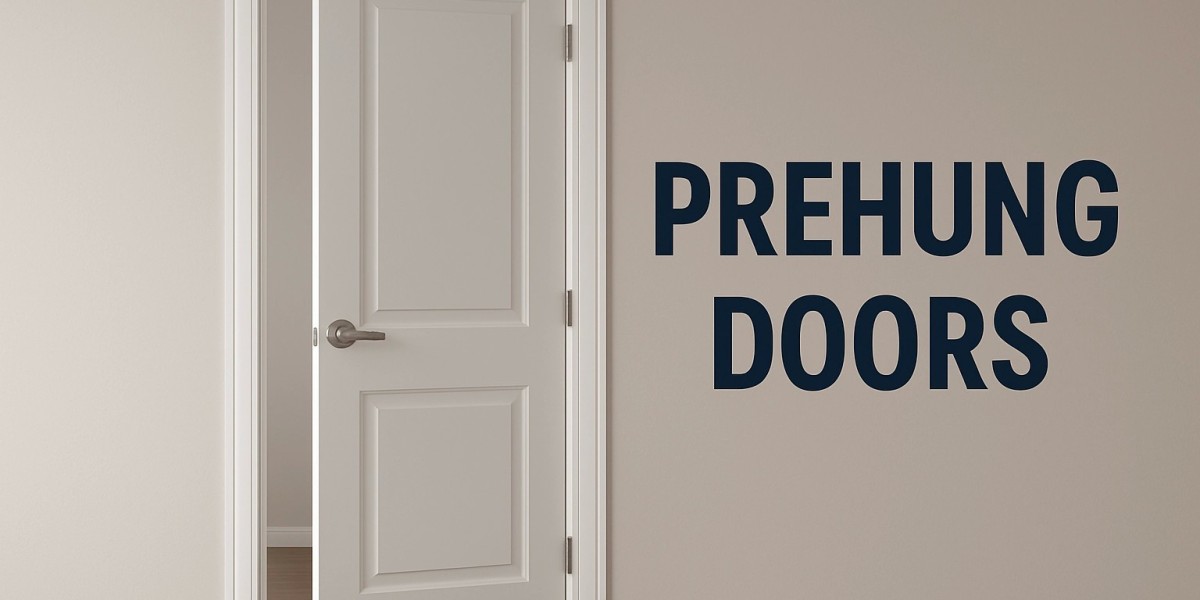

In the world of home renovations and new construction, few elements are as fundamentally important—and frequently replaced—as interior doors. For Canadian homeowners, builders, and contractors, the choice between a traditional slab door and a prehung door unit is more than just a matter of preference; it’s a decision that impacts installation time, final quality, and long-term performance in our unique climate. The prehung door has steadily moved from a professional’s secret to a mainstream solution, offering a compelling blend of convenience and precision for the Canadian market.
What Exactly is a Prehung Door?
Let’s start with the basics. A slab door is just the door itself—a flat, rectangular panel with no hardware, hinges, or frame. It’s a component, not a system. A prehung doors, on the other hand, is a complete, ready-to-install unit. It arrives at your job site as a fully assembled package, typically including:
The Door Slab: Already sized and sanded.
The Frame (Jamb): The two vertical side jambs and the horizontal head jamb, pre-assembled into a three-sided frame. For exterior doors, this includes an integrated sill or threshold.
Hinges: Already mortised (recessed) into the door and the jamb, with the hinge pins in place.
Door Prep: The bore hole for the lockset and the recess (mortise) for the latch strike plate are precisely cut.
Weatherstripping (Exterior Units): Essential for Canadian efficiency, this is often pre-installed on exterior doors.
This factory-engineered system is designed to fit together perfectly, eliminating the most challenging and time-consuming aspects of door installation: hinge mortising, frame squaring, and strike plate alignment.
Why Prehung Doors Are Gaining Ground in Canada
The Canadian renovation and construction landscape is increasingly embracing prehung doors, and the reasons are multifaceted:
1. Dramatic Time Savings and Simplified Installation: In a country where the construction season is often pressured by weather, efficiency is king. Installing a slab door is a skilled carpentry task requiring precise measurements, routing, chiselling, and patience. A prehung door, by contrast, turns the process into more of a "plumb-and-set" operation. For a seasoned contractor, hanging a prehung interior door can take less than an hour versus several hours for a slab. For the ambitious DIYer, it significantly reduces the complexity and risk of a botched job, making projects like basement finishing or door upgrades far more accessible.
2. Superior, Consistent Quality and Fit: Prehung doors are assembled in controlled factory environments using specialized jigs and machinery. This ensures that the gaps between the door and the frame (the "reveal") are even and consistent—typically 1/8 inch—on all sides. This level of precision is difficult to achieve consistently on-site, even for professionals. A perfectly even gap not only looks more professional but also ensures smoother operation and easier future adjustments.
3. Enhanced Energy Efficiency for Canadian Winters: This is a critical factor for the Canadian market. Exterior prehung door systems are engineered as complete sealing units. They come with integrated, high-quality weatherstripping and thermal breaks designed to work in unison with the door slab (which is often itself insulated with foam core). Properly installed, a prehung exterior door provides a far more reliable air and moisture barrier than a field-assembled slab door, directly contributing to lower heating bills and improved home comfort during harsh winters.
4. Ideal for New Construction and Modern Renovations: When building new walls or extensively renovating, prehung doors are the logical choice. The rough opening is framed to a standard size (e.g., 2x6 frame for a 30-inch door), and the entire unit is dropped in, shimmed, and fastened. This streamlines the workflow for builders, ensuring all doors in a project have the same high-quality finish.
Considerations and Challenges in the Canadian Context
While the advantages are significant, prehung doors are not a one-size-fits-all solution. Key considerations include:
Cost: The upfront cost of a prehung unit is higher than a slab door alone. However, this must be weighed against the labour cost savings. For a professional charging hourly rates, the total installed cost of a prehung door can often be lower. For a DIYer, the investment buys peace of mind and professional results.
Transport and Handling: Prehung doors are bulky, heavy, and require careful handling. Moving a prehung exterior door unit, in particular, can be a two-person job. Navigating them through finished homes during a renovation requires planning to avoid damage to walls and trim.
Existing Opening Compatibility: The primary challenge in renovations. Prehung doors require a standard, plumb, and square rough opening. Replacing an existing door with a prehung unit often means modifying the old opening—which can involve reframing and drywall work—to accept the new, pre-assembled frame. In some cases with very non-standard openings, a custom-sized slab door may be the only practical retrofit option.
Availability and Selection: While major home centres across Canada (Home Depot, Lowe’s, Rona, etc.) carry a range of common-size prehung doors in popular styles, the slab door selection for truly custom designs (specific panel configurations, exotic woods, unique sizes) can still be broader. Sourcing specialty prehung units may require visiting dedicated door and millwork suppliers.
Navigating the Market: Types and Purchasing Tips
When shopping for a prehung door in Canada, you’ll encounter several key distinctions:
Interior vs. Exterior: Exterior units are heavier, include lockset prep, and are bundled with weatherstripping and a sill. Interior units are lighter and simpler.
Jamb Width: This must match your wall thickness. Common sizes are 4-9/16" (for standard 2x4 walls with 1/2" drywall) and 5-9/16" or 6-9/16" for thicker 2x6 or insulated walls. Measure your existing wall from drywall face to drywall face.
Swing Configuration: Determine the handing—whether the door swings left or right, and if it swings inward (standard for exterior) or outward. Stand on the side where the door opens away from you. If the hinges are on the left, it’s a left-hand door.
Material: Solid wood (oak, maple, fir), engineered wood (MDF, often for paint-grade interior doors), and steel/fiberglass (for exterior, prized for insulation and durability in Canada).
Pro-Tip for Canadian Buyers: Always look for an Energy Star® rating when purchasing an exterior prehung door. This certification, tailored to Canadian climate zones, guarantees the unit meets stringent performance standards for air leakage and insulation, ensuring your investment pays off in energy savings.
Conclusion: A Smart Investment for Modern Canadian Living
The rise of the prehung door in Canada is a testament to the evolving demands for efficiency, quality, and performance in our homes. While the traditional slab door still has its place in custom or historical restoration projects, the prehung door offers a compelling, system-based solution perfectly suited to the pace and climate of modern Canadian life.
For the contractor, it’s a tool for delivering consistent, high-quality results faster. For the homeowner, it’s a path to a professional-looking, energy-efficient upgrade without requiring master-level carpentry skills. Whether you’re building a new subdivision in Alberta, finishing a basement in Ontario, or replacing a drafty old back door in Nova Scotia, the prehung door stands as a smart, strategic choice that acknowledges a simple truth: sometimes, the best way to hang a door is to let the factory do the hard part first. In a country that values both rugged durability and intelligent design, the prehung door has firmly earned its place.