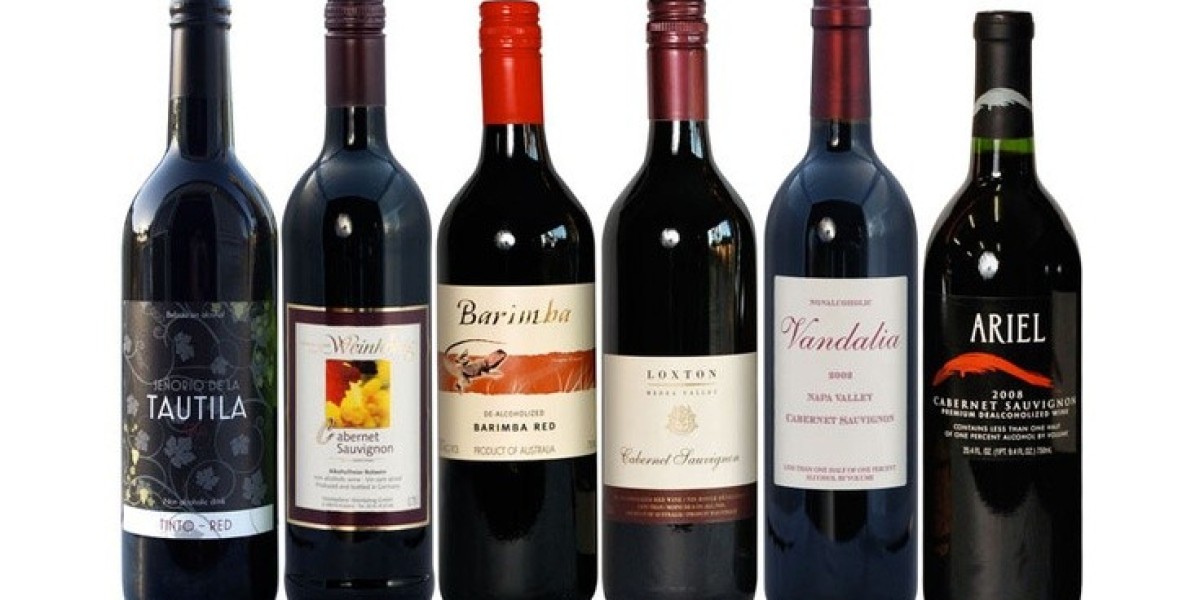

The world of beverages has changed dramatically in recent years, and one of the fastest-growing trends is the rise of non-alcoholic wines. Whether someone is avoiding alcohol for health, lifestyle, religious, or personal reasons, the demand for sophisticated alternatives that deliver real flavour is stronger than ever. These beverages provide all the complexity, aroma, and elegance of traditional wine without the intoxicating effects, giving people the freedom to enjoy the moment without compromise. As more consumers seek balance, wellness, and mindful drinking habits, this category has become a preferred choice in homes, restaurants, and social events around the world.
What Are Non-Alcoholic Wines?
Non-alcoholic wines are crafted using the same grapes and traditional winemaking techniques as alcoholic wines. The key difference is that the alcohol is removed after fermentation. This allows the beverage to retain its authentic flavour profile, natural acidity, and aromatic notes. Several technologies are used for alcohol removal, including vacuum distillation, reverse osmosis, and spinning cone columns. These advanced processes ensure that the beverage keeps its character while meeting the strict legal requirement of containing less than 0.5% ABV.
For many consumers, these wines offer a way to enjoy a familiar experience with none of the side effects associated with alcohol consumption.
Why People Choose Non-Alcoholic Wines
The shift towards healthier lifestyles plays an important role in the rising popularity of non-alcoholic drinks. Many individuals want to participate in social gatherings without consuming alcohol. Others may be focused on fitness, pregnancy-safe choices, or simply wish to avoid hangovers and long-term health risks. For such consumers, non-alcoholic wines provide a satisfying alternative that keeps them included in celebrations while still supporting their personal goals.
Another compelling reason behind the growing trend is the improvement in taste and quality. Today’s alcohol-free options taste much closer to traditional wine thanks to advanced manufacturing technologies and better understanding of grape chemistry.
How These Wines Are Made
The production process starts just like any other wine. Grapes are harvested, crushed, and fermented. During fermentation, yeast converts sugar into alcohol and carbon dioxide, creating the familiar flavours associated with wine. Once fermentation is complete, the alcohol is removed using specialised methods.
1. Vacuum Distillation
In this method, alcohol evaporates at a much lower temperature due to reduced pressure, preventing heat damage and allowing delicate aromas to remain intact.
2. Reverse Osmosis
This method pushes wine through fine membranes that separate alcohol and water from the flavour compounds. The flavours are later recombined with water to create the final beverage.
3. Spinning Cone Technology
A more advanced system that extracts aromas first, then removes alcohol, and finally restores the aromatic elements to preserve authenticity.
Each of these methods aims to keep the original taste as close to the real thing as possible.
Types of Non-Alcoholic Wines Available Today
The market now offers a wide selection, ensuring there is something for every palate:
Sparkling Wines
Perfect for celebrations, these beverages deliver bubbly excitement and refreshing fruit notes.
Red Wines
Often made from classic grapes like Merlot, Cabernet Sauvignon, and Pinot Noir, these options provide rich flavours with soft tannins.
White Wines
Crisp, light, and refreshing varieties like Sauvignon Blanc and Chardonnay offer vibrant acidity and gentle aromas.
Rosé Wines
Ideal for warm weather, these wines provide fruity, floral profiles that pair beautifully with light meals.
Dessert-Style Wines
Sweet, aromatic, and enjoyable for after-dinner sipping.
This wide range makes it easier for beginners and seasoned drinkers to find a bottle they enjoy.
Health and Wellness Benefits
One of the biggest advantages of alcohol-free wines is the health benefit. They contain significantly fewer calories since most calories in wine come from alcohol. This makes them a suitable option for weight-conscious consumers or anyone maintaining a fitness routine. Additionally, they help prevent dehydration, sleep disruption, and liver stress associated with alcohol intake.
These beverages also retain many of the natural antioxidants found in grapes, including polyphenols, which are known for supporting heart health and reducing inflammation. By choosing non-alcoholic wines, individuals can enjoy flavourful drinks while reducing long-term health risks.
Perfect Occasions for Non-Alcoholic Wines
These beverages have become popular at all types of gatherings:
Business meetings where professionalism matters
Family dinners with guests who prefer alcohol-free options
Celebrations like baby showers, birthdays, and weddings
Fitness-focused events where hydration and wellness are priorities
Everyday meals for those who simply enjoy wine without alcohol
They allow everyone to participate, regardless of personal preferences or restrictions.
Food Pairings That Work Beautifully
Food pairing with non-alcoholic alternatives is just as enjoyable as pairing with traditional wines. For example:
Fresh salads and seafood pair wonderfully with crisp white options.
Grilled meats and pasta dishes match well with fuller-bodied red alternatives.
Sparkling varieties pair beautifully with desserts, fruits, and light snacks.
Because acidity and flavour profiles remain similar, pairing is intuitive and easy to master.
The Growing Market and Customer Demand
Global awareness around mindful drinking and wellness has fueled the rapid rise of alcohol-free beverages. Consumers are becoming more educated, more demanding, and more selective about their choices. As a result, brands from around the world are investing in higher quality production methods and better grape selection. Shelves in supermarkets, high-end stores, online marketplaces, and even luxury restaurants now actively showcase non-alcoholic wines, proving that this trend is here to stay.
The increase in demand has also encouraged experimentation, leading to improved flavours, refined aromas, and more premium options than ever before.
Conclusion
Non-alcoholic wines have evolved from simple substitutes into sophisticated beverages enjoyed by a global audience. With advanced production technology, diverse flavours, and impressive health benefits, they offer an inclusive and enjoyable drinking experience for individuals of all lifestyles. Whether someone is embracing wellness, celebrating responsibly, or simply exploring new tastes, alcohol-free options deliver exceptional quality without compromise. As this category continues to grow, it is transforming the way people enjoy wine and redefining modern drinking culture.