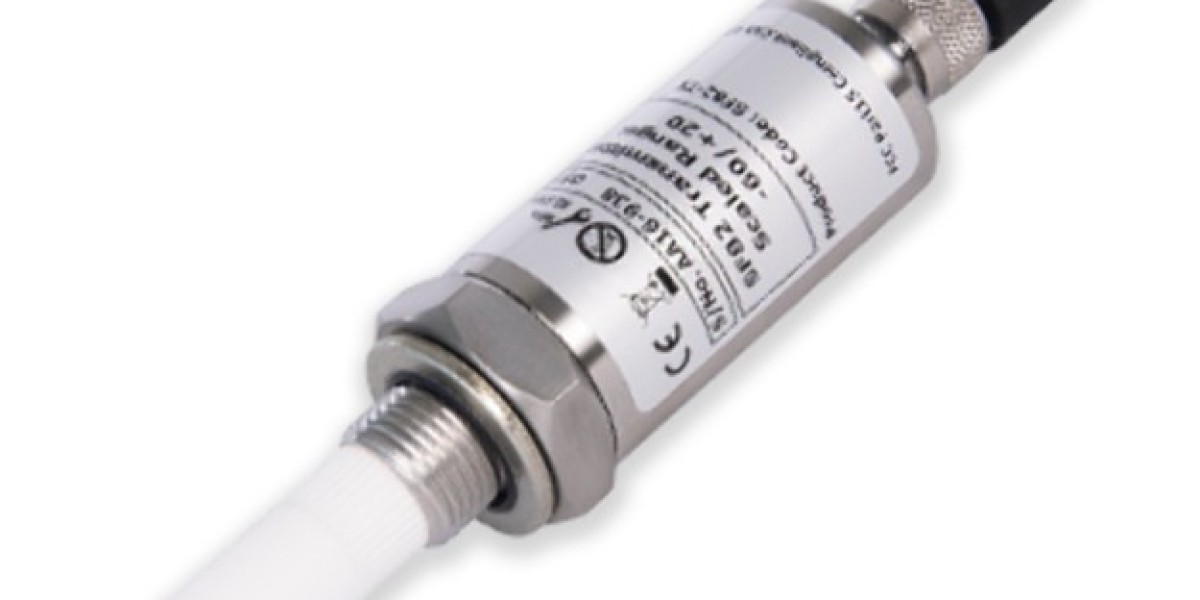

Accurate moisture measurement is essential across industries where compressed air, gases, and critical environments need controlled humidity levels. This is where a dew point transmitter becomes an indispensable instrument. It provides real-time, reliable dew point readings that help maintain product quality, improve system efficiency, and protect sensitive equipment from moisture damage. Whether used in manufacturing, HVAC systems, pharmaceuticals, laboratories, or industrial gas processing, this device plays a vital role in ensuring operational stability.
What Is a Dew Point Transmitter?
A dew point transmitter is a specialized measurement instrument designed to continuously monitor the dew point temperature within gases and air systems. The dew point is the temperature at which moisture in air begins to condense, indicating the saturation limit. By measuring this value, industries can understand the moisture level and humidity performance of their processes.
Unlike handheld devices or occasional measurements, a dew point transmitter provides:
Continuous humidity monitoring
Stable sensor output
Highly accurate dew point readings
Real-time data for automated control systems
These transmitters are often integrated directly into pipelines, compressed air dryers, environmental chambers, and production machinery.
How a Dew Point Transmitter Works
Most dew point transmitters use advanced hygrometric technologies such as:
1. Capacitive Polymer Sensors
A thin polymer layer absorbs moisture. The change in capacitance is measured and converted into a dew point value.
2. Aluminium Oxide Sensors
A porous alumina layer changes its electrical properties when exposed to moisture, enabling extremely sensitive readings.
3. Chilled Mirror Sensors
Used for high-precision applications where a mirror is cooled until condensation appears. The temperature at condensation is the dew point.
4. Thin-film Hygrometric Sensors
Modern and highly stable, these sensors can withstand demanding industrial conditions.
The transmitter converts sensor readings into a 4–20mA, MODBUS, or digital signal, allowing integration with SCADA, PLCs, and automated plant monitoring systems.
Advantages of Using a Dew Point Transmitter
A dew point transmitter provides several key benefits that make it essential in industrial and commercial environments.
1. Accurate, Consistent Monitoring
Continuous dew point readings help detect moisture fluctuations early. This avoids equipment failure, air quality issues, and contamination.
2. Enhanced Equipment Protection
Excess moisture can damage:
Pneumatic tools
Valves
Compressors
Sensors
Production machinery
A dew point transmitter ensures moisture remains within controlled limits.
3. Energy Efficiency
Optimizing moisture levels allows compressors and dryers to work more efficiently. This leads to reduced energy consumption and lower operational costs.
4. Improved Product Quality
Industries like food processing, pharmaceuticals, and electronics depend on precise humidity control for product consistency.
5. Automated System Integration
Data from transmitters allows automated systems to activate dryers, adjust airflow, or trigger alarms when dew point levels exceed safe limits.
Where Dew Point Transmitters Are Used
A dew point transmitter is widely used across industries where dry air or low moisture content is essential.
Compressed Air Systems
Maintaining low dew point in compressed air prevents condensation and protects pneumatic equipment.
Industrial Gas Generation
Processes involving nitrogen, oxygen, hydrogen, and natural gas require strict moisture monitoring to maintain purity.
HVAC and Environmental Control
Used in climate-controlled rooms, clean rooms, and environmental testing chambers.
Pharmaceutical and Medical Industries
Production environments require ultra-low moisture and precise humidity control to maintain sterility and product stability.
Food & Beverage Processing
Moisture levels must be controlled to avoid spoilage and maintain safety standards.
Power Plants and Energy Sector
Gas turbines, fuel systems, and cooling systems rely on dew point monitoring for efficiency and safety.
Electronics Manufacturing
High humidity can lead to corrosion, malfunction, and reduced reliability of microelectronics.
Key Features to Look for in a Dew Point Transmitter
When selecting a dew point transmitter, consider the following essential features:
Measurement Range
Choose a device that suits your operational requirements, especially for low dew point applications like -60°C to -100°C.
Sensor Response Time
Fast response ensures real-time accuracy in fluctuating conditions.
Long-Term Stability
Look for moisture-resistant sensors with low drift to reduce recalibration frequency.
Output Options
Industrial transmitters typically offer:
4–20mA
MODBUS
RS485
Analog & digital hybrid outputs
Durability
Heavy-duty, corrosion-resistant housing is essential for harsh industrial environments.
Easy Calibration
Some models offer on-site calibration or self-diagnostic features.
Common Problems Solved by Dew Point Transmitters
A dew point transmitter can prevent a range of operational issues, including:
Moisture contamination in pneumatic systems
Corrosion in pipelines and metal components
Inconsistent product quality
Inefficient drying cycles
Mold growth in controlled environments
Gas purity issues in industrial gas systems
By solving these challenges, transmitters contribute to safer, more reliable, and more profitable operations.
Dew Point Transmitter vs Dew Point Meter
While the terms are sometimes confused, understanding the difference is important:
Device | Purpose |
Dew Point Transmitter | Permanent, real-time installation for continuous monitoring |
Dew Point Meter | Portable device for spot-checking and periodic moisture measurement |
Industries that require constant data rely on transmitters, whereas service technicians often use handheld dew point meters for quick inspections.
Installation Tips for Optimal Performance
To get the most accurate results from your dew point transmitter, ensure:
It is installed away from heat sources or vibration
The gas stream is stable and representative
Correct flow rates are maintained
The sampling line is leak-free
Filters are used to prevent particulate damage
The sensor is allowed adequate equilibration time
Correct installation significantly enhances device lifespan and measurement accuracy.
Future Trends in Dew Point Measurement
The world of moisture measurement continues to advance, and modern dew point transmitters now feature:
Smart digital platforms
IIoT connectivity
Wireless communication
Self-calibration features
Cloud-based moisture monitoring
Advanced algorithms for stability and accuracy
As industries move towards automation and smart factories, the role of dew point transmitters is becoming even more crucial.
Conclusion
A dew point transmitter is an essential tool for industries that rely on precise humidity control, dry air systems, and stable gas conditions. With accurate, real-time moisture monitoring, these devices help protect equipment, ensure product quality, boost efficiency, and maintain compliance with strict industrial standards. Whether used in compressed air, pharmaceuticals, electronics manufacturing, or gas production, a high-quality dew point transmitter delivers reliability and value.