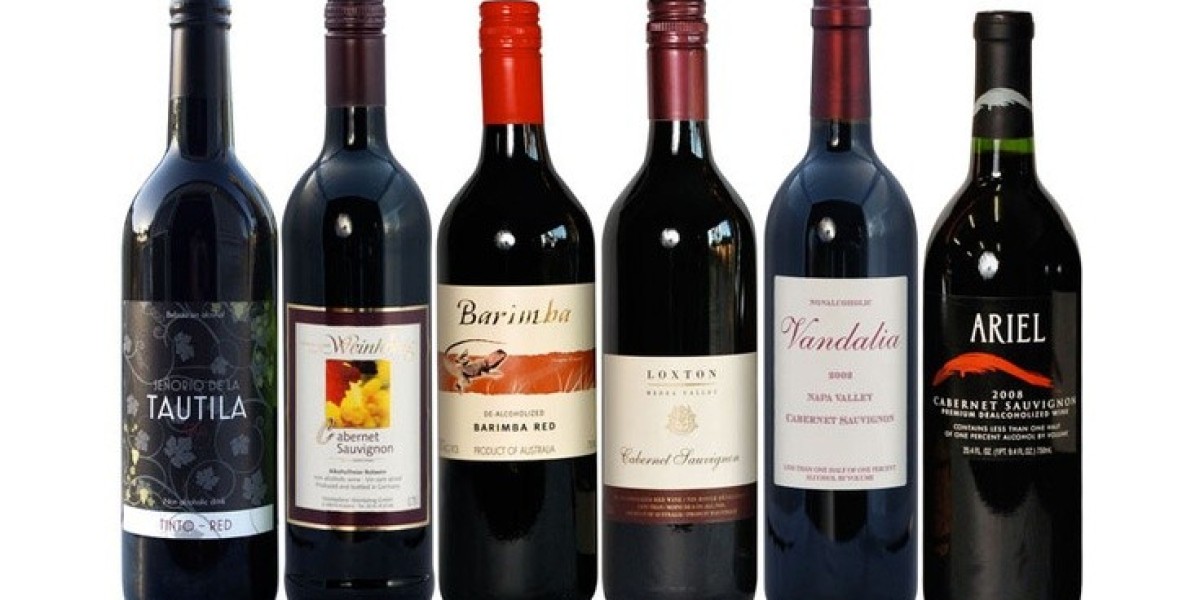

Non-alcoholic wines have transformed from a little-known beverage into a global lifestyle choice embraced by health-conscious consumers, mindful drinkers, and those seeking premium flavors without the effects of alcohol. With more people reducing or eliminating alcohol consumption for personal, health, or religious reasons, the demand for sophisticated alternatives has increased dramatically. Today, non-alcoholic wines offer all the aroma, structure, and complexity of traditional wine—minus the alcohol. This detailed article explores how non-alcoholic wines are made, their benefits, flavor varieties, top brands, serving tips, and why they are shaping the future of modern drinking culture.
What Exactly Are Non-Alcoholic Wines?
Non-alcoholic wines begin as real wine. The winemaking journey starts with traditional grape harvesting, crushing, fermentation, aging, and blending. Only after the wine fully develops its iconic flavors does it undergo a specialized process to remove alcohol. This ensures the wine keeps its original characteristics—aromas, tannins, acidity, and mouthfeel—unlike simple grape juice, which lacks the complexity that fermented wine naturally gains.
Most high-quality non-alcoholic wines contain between 0.0% and 0.5% ABV, making them suitable for people who prefer avoiding alcohol altogether while still wanting to enjoy the sophistication of wine.
How Non-Alcoholic Wines Are Made
One of the biggest reasons non-alcoholic wines taste so similar to alcoholic wines today is the advanced technology behind alcohol removal. Winemakers use highly controlled processes to preserve delicate flavors.
1. Vacuum Distillation
In this method, wine is gently heated under reduced pressure, lowering alcohol’s evaporation point. The result is alcohol removal without burning off the wine’s aroma compounds.
2. Reverse Osmosis
This filtration system passes wine through fine membranes that separate alcohol and water from flavor-rich components. After filtration, the flavors are recombined with water to produce non-alcoholic wine with authentic taste.
3. Spinning Cone Column Technology
One of the most sophisticated methods used by premium brands, this system extracts aroma compounds first, then removes alcohol, and finally adds the aromas back. This ensures exceptional flavor retention and a full-bodied result.
These processes allow modern non-alcoholic wines to taste far superior compared to early versions that lacked depth and richness.
Why Non-Alcoholic Wines Are Becoming So Popular
The rise of non-alcoholic wines is tied to major shifts in lifestyle, wellness, and cultural habits. Consumers today seek beverages that support a healthy and balanced lifestyle without compromising taste or social enjoyment.
Health Awareness
People are prioritizing mental clarity, weight management, and reduced alcohol intake. Non-alcoholic wines offer a delicious, calorie-conscious option free from hangovers or health risks linked to alcohol.
Mindful Drinking Trend
Many individuals want the social experience of wine without the intoxicating effects. Non-alcoholic wines allow them to participate fully in gatherings while staying in control.
Inclusivity
They provide excellent options for pregnant individuals, designated drivers, and those who avoid alcohol for medical, religious, or personal reasons.
Better Quality Products
Wineries are investing heavily in research and innovation, producing non-alcoholic wines that truly compete with traditional wines in taste and elegance.
Together, these factors have pushed non-alcoholic wines into mainstream popularity worldwide.
Health Benefits of Non-Alcoholic Wines
Choosing non-alcoholic wine offers multiple health and lifestyle advantages that attract long-term consumers.
1. No Hangovers
Because there is little to no alcohol content, you can enjoy wine’s flavors without dehydration, headaches, or fatigue the next day.
2. Lower Calories
Non-alcoholic wines typically contain fewer calories than alcoholic wines, making them a great choice for those watching their weight.
3. Heart Health
Non-alcoholic red wines retain helpful antioxidants such as polyphenols and resveratrol, which support blood flow and reduce inflammation.
4. Better Sleep Quality
Alcohol disrupts REM sleep, but non-alcoholic wines allow you to unwind without affecting sleep patterns negatively.
5. Safer for Regular Consumption
You can enjoy non-alcoholic wine daily during meals or events without concerns about alcohol dependence or long-term health issues.
Types of Non-Alcoholic Wines Available Today
The world of non-alcoholic wines is remarkably diverse, offering choices for different preferences and occasions.
Non-Alcoholic Red Wines
These wines retain deep flavors, tannins, and body. Popular varieties include:
Cabernet Sauvignon
Merlot
Pinot Noir
Shiraz
They pair beautifully with mature cheeses, grilled meats, and hearty pasta dishes.
Non-Alcoholic White Wines
Light, aromatic, and refreshing, these wines feature:
Sauvignon Blanc
Chardonnay
Riesling
Pinot Grigio
White non-alcoholic wines are ideal for seafood, salads, and light lunches.
Non-Alcoholic Rosé Wines
Rosé remains a summertime favorite for its crisp, fruity profile. Non-alcoholic rosé options are versatile and perfect for picnics, brunches, and celebrations.
Non-Alcoholic Sparkling Wines
These are often the most celebrated NA wines because of their similarity to Champagne. They sparkle beautifully and are perfect for weddings, events, and toasting.
Non-Alcoholic Wine Cocktails
A growing segment of the market includes ready-made spritzers, sangrias, and mocktails based on non-alcoholic wine.
How to Choose the Right Non-Alcoholic Wine
Finding the perfect bottle may take a bit of exploration, but these tips help narrow your choices:
✔ Choose a Trusted Brand
Premium brands use advanced de-alcoholization techniques resulting in superior flavor and authenticity.
✔ Consider the Grape Variety
Select wine types you already enjoy—if you like Chardonnay, try a non-alcoholic version of the same grape.
✔ Look for Low Sugar Levels
Some NA wines add sugar to adjust flavor. If you prefer dry wines, choose bottles labeled “low sugar” or “dry.”
✔ Read Tasting Notes
Look for descriptions such as fruity, floral, oaky, dry, or crisp to match your taste preference.
✔ Try Sparkling Varieties
If you're new to non-alcoholic wines, sparkling wines are the easiest to fall in love with because bubbles help carry the flavor well.
Perfect Food Pairings for Non-Alcoholic Wines
Pairing enhances the experience of drinking non-alcoholic wine, just like traditional wine.
Red Wine Pairings
Steak and grilled meats
Pizza and pasta
Aged cheeses
Mushroom dishes
White Wine Pairings
Seafood and sushi
Pasta with cream sauces
Salads
Soft cheeses
Rosé Wine Pairings
Mediterranean cuisine
BBQ dishes
Spicy food
Desserts
Sparkling Wine Pairings
Appetizers
Cheese boards
Fruit platters
Light main courses
Top Non-Alcoholic Wine Brands to Try
Some brands are known worldwide for producing exceptional non-alcoholic wines:
Thomson & Scott Noughty (UK)
Ariel Vineyards (USA)
Leitz Eins Zwei Zero (Germany)
Pierre Chavin (France)
Freixenet 0.0% (Spain)
Sutter Home Fre (USA)
Oddbird (Sweden)
Luminara (USA)
These brands offer premium reds, whites, rosés, and sparkling wines that consistently receive high ratings from consumers.
The Rise of Non-Alcoholic Wine Culture Worldwide
Restaurants, bars, hotels, and event organizers are increasingly adding non-alcoholic wines to their menus. Many upscale venues now offer full alcohol-free wine lists as part of their commitment to health-conscious and inclusive hospitality. Supermarkets and online retailers also stock a wide variety of premium NA wines, making them more accessible than ever.
Global sales of non-alcoholic beverages have risen dramatically, particularly in Europe, the USA, Australia, and the Middle East. With younger generations prioritizing wellness and clarity, this trend shows no signs of slowing down.
The Future of Non-Alcoholic Wines
The future of non-alcoholic wines looks incredibly promising. Wineries are investing in more advanced technology to replicate the taste of alcoholic wines even more accurately. Expect to see:
Organic non-alcoholic wines
Barrel-aged non-alcoholic wines
New grape blends developed entirely for NA wine
Sustainable and eco-friendly packaging
Greater availability worldwide
As technology improves, the taste gap between alcoholic and non-alcoholic wines will continue to narrow, offering consumers even better options.
Final Thoughts
Non-alcoholic wines provide a brilliant balance of flavor, sophistication, and wellness. Whether you are cutting back on alcohol, avoiding it entirely, or simply discovering new beverage experiences, non-alcoholic wines offer a world full of possibilities. From sparkling celebrations to quiet dinners, these wines allow you to enjoy every moment with clarity, confidence, and exceptional taste. As global drinking habits shift toward mindfulness, non-alcoholic wines are set to become a major part of the future of premium beverages.