
Moisture plays a critical role in the quality, safety, and performance of countless materials and products across different industries. Whether it’s construction, agriculture, food processing, pharmaceuticals, or industrial manufacturing, the ability to measure moisture accurately can drastically impact outcomes. This is why a Moisture Meter has become an essential instrument for professionals who require precise and reliable moisture detection. These devices help prevent product damage, reduce financial losses, improve efficiency, and ensure compliance with industry standards.
In this detailed guide, we explore what a Moisture Meter is, how it works, the different types available, and why industries depend heavily on moisture measurement to maintain high quality and avoid unnecessary risks.
What Is a Moisture Meter?
A Moisture Meter is a specialized instrument used to determine the amount of water present in a material. Depending on the industry, the material being tested can include wood, concrete, soil, textiles, powders, gases, or even chemical substances. Moisture can affect durability, stability, safety, and usability, so monitoring it accurately is crucial. Modern meters come with advanced sensors, digital outputs, and high-precision technology to deliver fast, reliable results.
The importance of moisture detection cannot be overstated. Excess moisture can lead to mold growth, corrosion, decay, short circuits in electronics, product spoilage, and mechanical failure. For businesses that rely on stable conditions, a small variation in moisture can result in large financial consequences.
How a Moisture Meter Works
Different kinds of Moisture Meters use different technologies, but the basic principle remains the same: they detect the presence of moisture either through electrical, thermal, or chemical changes. Some of the most widely used technologies include:
Electrical Resistance Measurement
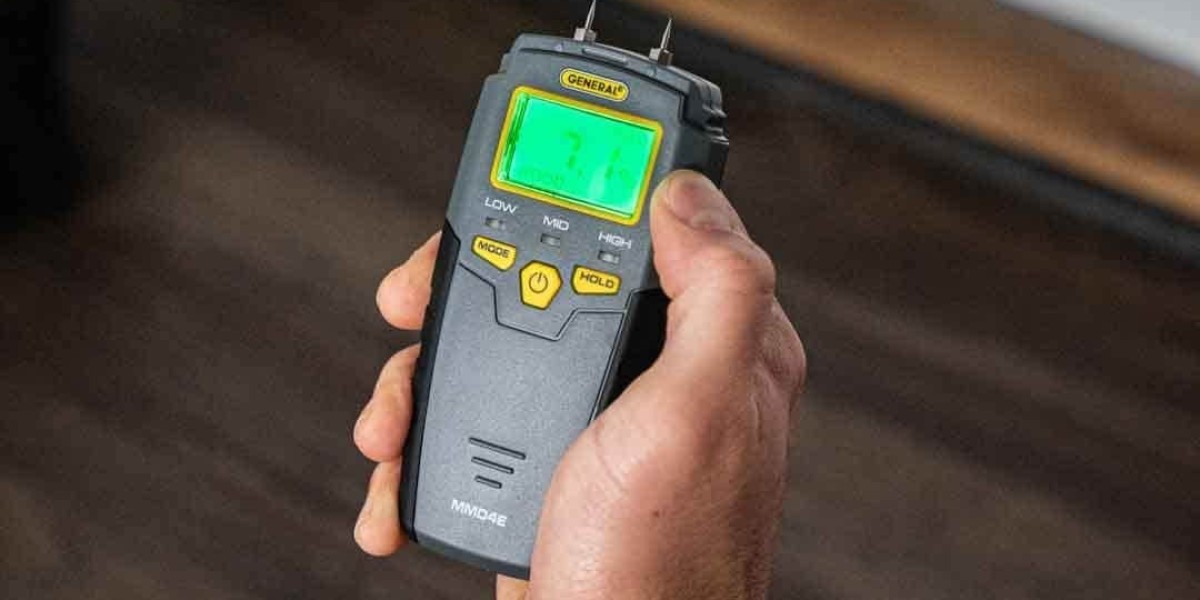
This technique is used mainly in wood and building materials. When electrical current passes through the material, moisture changes the resistance. Lower resistance indicates higher moisture content. These meters typically have two pins that penetrate the material surface for direct readings.
Capacitance or Electromagnetic Field
Pinless meters use electromagnetic signals to measure moisture beneath the surface. They are ideal when the user wants a non-destructive method, especially for materials like concrete, flooring, or drywall. The meter detects moisture by how the material alters the electromagnetic field.
Infrared and Microwave Technology
Advanced Moisture Meters use infrared or microwave energy to determine moisture content in deeper layers without any surface damage. These systems are commonly used in industrial processes, food production, and agriculture.
Hygrometric Measurement
For gases, powders, or environmental monitoring, hygrometric technology measures water vapor levels in the air or within enclosed systems. These meters often come with humidity sensors capable of delivering high-accuracy results.
Each technology has its own strengths, making the moisture meter suitable for a wide range of professional applications.
Types of Moisture Meters
Understanding the different types helps users select the ideal device based on their material and industry.
Pin-Type Moisture Meters
These meters use two sharp electrodes that penetrate the material. They are particularly accurate for wood, lumber, plaster, and structural materials. Although they leave small marks, they provide highly reliable readings.
Pinless Moisture Meters
Pinless models use scanning plates to send signals into the material. They are fast, non-invasive, and excellent for testing large surfaces like walls, floors, and slabs. Professionals prefer them for real estate inspections and building diagnostics.
Soil Moisture Meters
Agriculture relies heavily on soil moisture measurement for irrigation management. These meters help determine water levels in soil so that farmers can optimize crop growth while avoiding water waste.
Industrial Moisture Meters
Factories, processing plants, and quality-control labs use specialised meters for powders, grains, chemicals, gases, and pharmaceutical products. They are designed to handle continuous monitoring and high-volume testing.
Environmental Moisture and Humidity Meters
Environmental monitoring requires measuring moisture in the air for HVAC systems, indoor climate control, and clean-room industries. These devices often combine temperature and humidity sensors for accurate readings.
Industries That Rely on Moisture Meters
A broad range of industries require moisture measurement for safety, performance, and quality assurance.
Construction and Building Inspection
In construction, excess moisture can lead to mold, structural damage, and flooring failure. Builders, inspectors, and architects use Moisture Meters to test concrete slabs, drywall, insulation, and wooden frames to ensure proper curing and long-term stability.
Woodworking and Forestry
Wood naturally absorbs and loses moisture, causing expansion, contraction, and warping. Woodworkers, furniture makers, and lumber yards use these meters to confirm that wood has reached its equilibrium moisture content before processing.
Agriculture and Horticulture
From soil moisture to crop storage, the agricultural sector uses moisture measurement to maximise yield and prevent spoilage. Monitoring moisture ensures healthy plant growth and maintains the quality of harvested crops.
Food and Beverage Industry
Moisture levels affect shelf life, taste, and product consistency. Bakeries, grain processors, snack manufacturers, and dairy facilities use moisture control to keep their products within standards.
Pharmaceutical Manufacturing
Drug stability, packaging integrity, and chemical reactions depend heavily on moisture content. High-precision meters help pharma companies maintain strict quality control protocols.
HVAC and Environmental Monitoring
Moisture meters and humidity sensors ensure optimal indoor air quality. HVAC professionals use these devices to diagnose issues such as condensation, mold threats, and ventilation problems.
Benefits of Using a Moisture Meter
There are several advantages to integrating a moisture meter into routine inspection or production processes:
Prevents Structural Damage
Detecting moisture early helps protect property and valuable assets.
Improves Product Quality
Maintaining accurate moisture levels enhances durability, performance, and consistency.
Saves Costs
Early detection avoids expensive repairs, product recalls, or waste.
Ensures Compliance
Many industries must meet strict moisture standards set by regulatory authorities.
Increases Efficiency
Real-time moisture monitoring supports faster decision-making in production environments.
Choosing the Right Moisture Meter
Selecting the ideal meter depends on your material, accuracy needs, and environment. Here are key factors to consider:
1. Material Type
Different meters are designed for wood, concrete, soil, chemicals, or gases.
2. Measurement Range
Choose a device that can measure low, medium, or high moisture levels depending on the application.
3. Accuracy and Calibration
Look for models with built-in calibration or auto-correction for enhanced precision.
4. Durability
Industrial environments require rugged meters that withstand dust, heat, and vibration.
5. Output and Connectivity
Some advanced models offer digital data logging, Bluetooth, and PC connectivity for analysis and documentation.
Why Moisture Measurement Matters
The modern industrial world demands more precision, stability, and quality than ever before. Moisture, although often overlooked, influences almost every physical and chemical process. With the help of a Moisture Meter, industries can achieve better performance, protect their assets, and ensure product reliability. Whether you are working in construction, agriculture, manufacturing, or quality control, moisture measurement is a foundational step toward achieving excellence.