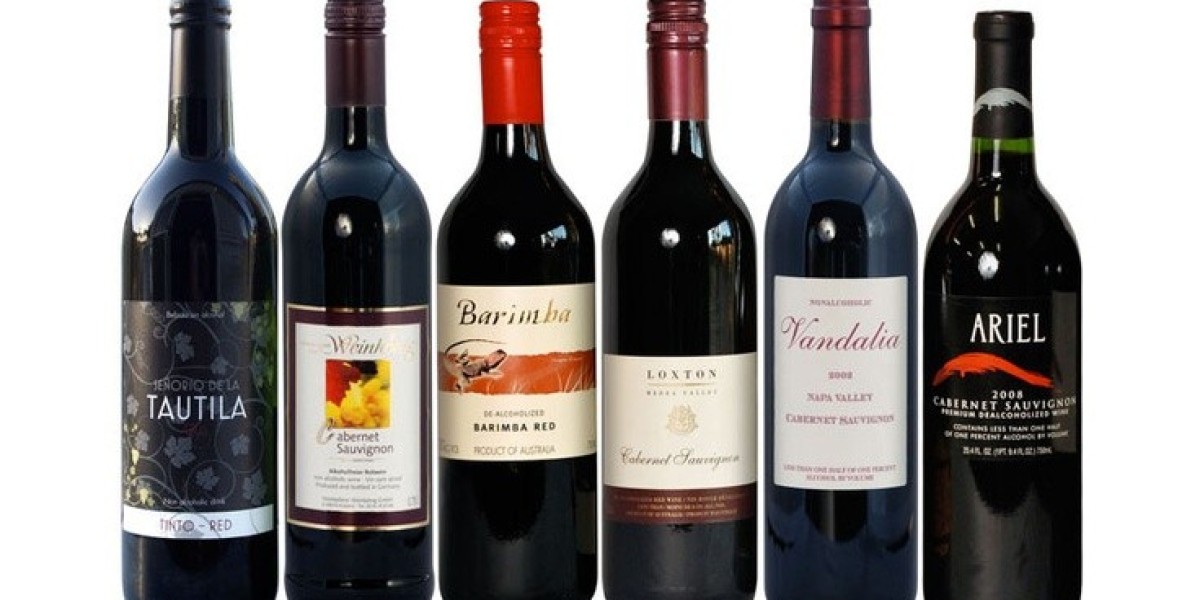

Non-alcoholic wines have evolved from a niche beverage into a global lifestyle trend. Today, more people are looking for healthier drink options that still deliver the sophistication, aroma, and experience of traditional wines. Whether you are cutting back on alcohol for health reasons, practicing mindful drinking, or simply exploring new choices, non-alcoholic wines offer a refined, inclusive, and enjoyable alternative. Modern dealcoholisation techniques allow producers to preserve real wine flavours while removing the alcohol, resulting in a premium beverage suitable for any occasion.
What Are Non-Alcoholic Wines?
Non-alcoholic wines are real wines made from real grapes — just without the alcohol content. They undergo the conventional winemaking process including fermentation, aging, and flavour development. Once the wine reaches maturity, advanced technologies such as spinning cone columns, vacuum distillation, or reverse osmosis are used to gently extract alcohol without damaging the wine’s aromas. The final product contains between 0.0% and 0.5% ABV, making it safe and suitable for almost everyone, including drivers, health-conscious drinkers, and those avoiding alcohol entirely.
How Non-Alcoholic Wines Are Made
Understanding the production process helps explain why modern non-alcoholic wines taste so close to traditional wine.
1. The Fermentation Stage
The journey begins with the careful selection of grapes. After pressing, natural fermentation converts grape sugars into alcohol. This step is essential because it develops the wine’s flavours, tannins, and structure.
2. Aging and Maturation
Before alcohol removal, the wine is aged in barrels or stainless-steel tanks. This enhances complexity, aroma, colour, and character — giving non-alcoholic wines a similar depth to standard wines.
3. Dealcoholisation Process
Once the wine is ready, alcohol is extracted using methods designed to protect aromas:
Spinning Cone Technology: Uses low temperature evaporation to separate alcohol while preserving flavour compounds.
Reverse Osmosis: Filters out alcohol molecules while concentrating flavours.
Vacuum Distillation: Removes alcohol at lower temperatures to prevent taste loss.
These processes ensure the final drink remains rich, aromatic, and wine-like.
Types of Non-Alcoholic Wines
The world of non-alcoholic wines is diverse, offering options for every palate.
1. Non-Alcoholic Red Wines
These wines are bold, earthy, and intense — similar to traditional reds such as Cabernet Sauvignon or Merlot.
Common flavour notes include:
Blackberries
Dark cherries
Oak
Vanilla
Mild spice
They pair beautifully with grilled meats, cheeses, pasta, and Mediterranean dishes.
2. Non-Alcoholic White Wines
Bright, crisp, and refreshing, these wines often feature:
Citrus
Green apple
Pear
Floral hints
Fresh acidity
Perfect with seafood, salads, chicken, and light vegetarian meals.
3. Non-Alcoholic Rosé Wines
Rosé is the ideal middle ground — light, fruity, and elegant.
Flavour notes include:
Strawberry
Watermelon
Raspberry
Floral undertones
Perfect for brunches, picnics, and warm-weather gatherings.
4. Non-Alcoholic Sparkling Wines
Sparkling wines are among the most popular alcohol-free options thanks to their celebratory feel.
They offer lively bubbles, crisp flavours, and pair well with:
Appetisers
Desserts
Seafood
Festive dishes
Ideal for parties, weddings, and New Year celebrations.
Health Benefits of Non-Alcoholic Wines
Choosing non-alcoholic wines doesn’t just reduce alcohol intake — it can improve overall well-being.
1. Lower Calorie Intake
Removing alcohol cuts a significant amount of calories, making non-alcoholic wines ideal for weight management.
2. Better Heart Health
Made from real grapes, they contain antioxidants such as polyphenols and resveratrol, which support heart protection and circulatory health.
3. Improved Sleep & Mental Clarity
Without alcohol’s sedative effects, you enjoy clearer mornings, better sleep quality, and improved focus.
4. Safe for More People
Non-alcoholic wines are suitable for:
Pregnant individuals (0.0% options)
Drivers
Diabetics (depending on sugar levels)
Fitness-focused lifestyles
People avoiding alcohol for cultural or health reasons
Why Non-Alcoholic Wines Are Becoming Popular
The rise of non-alcoholic wines can be linked to global lifestyle changes. Consumers are becoming more health-aware and prioritising mindful drinking. Social events are also shifting — people want to celebrate but without the negative effects of alcohol. Restaurants, bars, and hotels now include premium alcohol-free wines on their menus to meet growing demand. Younger generations, especially Gen Z and millennials, prefer moderation, wellness, and balance — further boosting the trend.
How to Choose the Best Non-Alcoholic Wine
Selecting the right bottle can elevate your experience.
1. Check the Production Method
Choose brands that use advanced dealcoholisation systems to preserve authentic flavours.
2. Identify Your Preferred Style
Whether you like dry, sweet, sparkling, or full-bodied wines, non-alcoholic options exist for every taste.
3. Read Ingredient Labels
High-quality brands avoid artificial sweeteners, artificial colours, or excessive additives.
4. Buy from Trusted Brands
Some top names include:
Ariel
Freixenet
Lyre’s
Oddbird
Pierre Chavin
Natureo
5. Match With Food
Pairing enhances the flavour — reds with rich meals, whites with light dishes, and sparkling wines with celebrations.
Non-Alcoholic Wines vs. Traditional Wines
Although traditional wine contains alcohol that contributes to warmth, body, and aroma, modern non-alcoholic wines have come impressively close in taste. The main difference lies in mouthfeel and complexity, but many premium alcohol-free wines are nearly indistinguishable in blind tastings. They also offer the same flavours, aging potential, and grape characteristics without the downsides of alcohol.
Where to Buy Non-Alcoholic Wines
You can purchase non-alcoholic wines from:
Alcohol-free specialty stores
Online non-alcoholic shops
Supermarkets
Organic and wellness stores
Brand-owned websites
Boutique beverage shops
Many retailers also offer bundle deals, gift sets, and monthly subscription boxes.
Conclusion
Non-alcoholic wines offer a sophisticated, healthy, and inclusive alternative for modern drinkers. They allow people to enjoy the taste, aroma, and experience of real wine without alcohol’s effects. With improved quality, diverse flavour profiles, and increasing availability, non-alcoholic wines have become a mainstream choice for celebrations, dining, and everyday enjoyment.