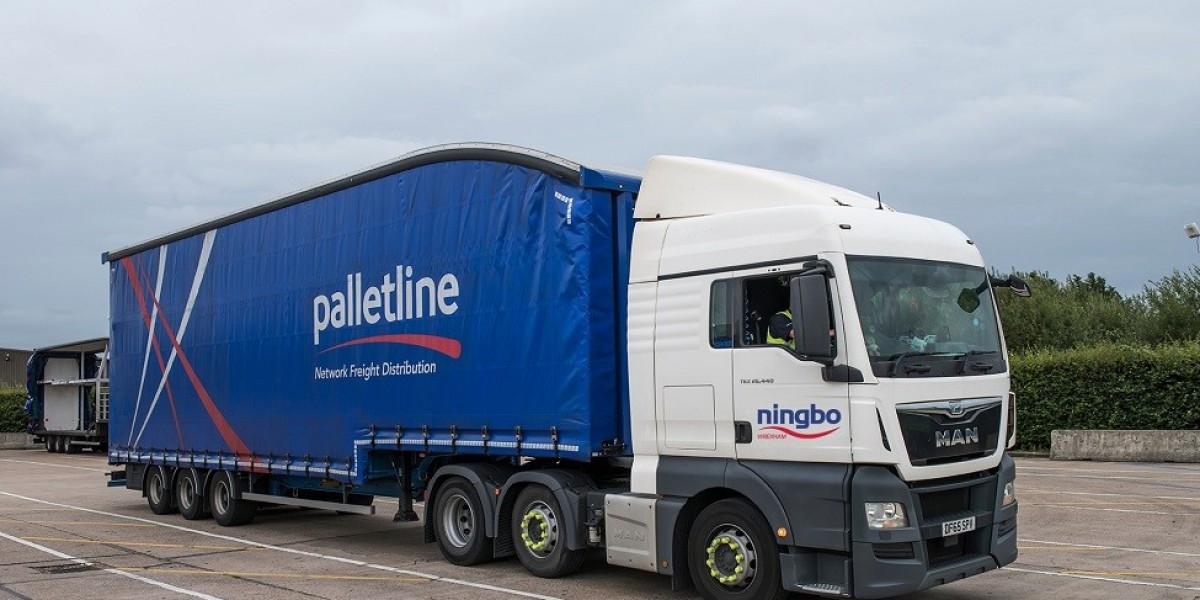

Palletised distribution services play a crucial role in today’s fast-moving logistics landscape. As businesses continue to expand across regions and industries, the demand for reliable, efficient, and cost-effective pallet handling solutions has grown significantly. Whether you are a small business shipping locally or a large enterprise managing nationwide freight, palletised distribution offers an organised, scalable, and streamlined way to move goods safely. This comprehensive article explores how palletised distribution services work, their benefits, and why they have become the backbone of supply chain operations in the UK and beyond.
Understanding Palletised Distribution Services
Palletised distribution services involve the handling, storage, and transportation of goods that are securely packed on pallets. Instead of shipping loose items, products are arranged on wooden or plastic pallets and wrapped for stability. This method ensures easy loading, reduced damage risk, and efficient movement through warehouses and transport networks. Most logistics companies use standardised pallet sizes, which improves compatibility with forklifts, pallet trucks, and delivery vehicles.
These services typically include pallet collection, consolidation, warehousing, transport, and last-mile delivery. Many providers also offer added-value solutions such as tracking technology, proof of delivery, pallet management systems, and express delivery options.
Why Palletised Distribution Services Are Essential for Businesses
Modern businesses rely heavily on efficient logistics operations. Palletised distribution services contribute to seamless supply chain management in several important ways. First, they provide predictable shipping processes. Pallets minimise loading times, reduce manual handling, and help optimise trailer space. This creates faster movement from warehouses to transport hubs and eventually to the customer.
Another key reason businesses depend on palletised distribution is reliability. Because the goods remain securely fastened to pallets, the chance of product damage is significantly reduced. This stability is especially important for transporting fragile, heavy, or irregular-shaped items. Furthermore, uniform pallet sizes support better planning and streamlined operational workflows, enhancing supply chain visibility and overall efficiency.
Key Services Included in Palletised Distribution
1. Pallet Collection and Handling
Logistics providers collect pallets directly from the manufacturer, warehouse, or supplier. Skilled teams ensure correct lifting and loading practices, reducing damage risk.
2. Consolidation and Sorting
Pallets are grouped based on location, destination, or type of shipment. This consolidation process enables more efficient routing and supports lower transportation costs.
3. Warehousing and Storage
Most palletised distribution services are linked with warehousing facilities that offer short-term and long-term storage. Goods can be stored on pallet racking systems, ensuring safe and organised inventory management.
4. Nationwide and Regional Transport
Transportation is managed using trucks equipped for heavy loads and pallet movement. Providers often offer next-day, same-day, and economy delivery options to suit different business needs.
5. Last-Mile Delivery
Once pallets reach their destination depot, they are dispatched for final delivery. Technology such as route optimisation software improves accuracy and speed.
Advantages of Palletised Distribution Services
Enhanced Efficiency
Pallets allow quick loading and unloading, meaning vehicles spend less time stationary. This efficiency boosts fleet productivity and reduces overall operational costs.
Improved Safety and Reduced Damage
By keeping goods tightly strapped and wrapped, transportation becomes much safer. The reduced need for manual handling also minimises workplace injuries.
Cost-Effective Transport
Consolidation reduces fuel consumption and transport expenses. Businesses can ship more goods in fewer trips, which is particularly helpful for heavy or bulky products.
Scalability and Flexibility
From single pallets to full loads, palletised distribution services can adapt to any business’s volume. Seasonal surges, urgent orders, or long-distance deliveries are handled easily with a scalable system.
Better Tracking and Visibility
Most providers offer real-time tracking, barcoding, and digital proof-of-delivery systems. This visibility reduces uncertainties and improves customer communication.
Industries That Benefit Most from Palletised Distribution Services
While nearly every sector can take advantage of palletised logistics, certain industries rely on these services more heavily. Manufacturing businesses use palletised distribution for moving raw materials and finished products. Retail and e-commerce companies benefit from rapid restocking and bulk distribution. Construction, automotive, pharmaceuticals, and food sectors depend on pallets because of safety, hygiene, and regulatory standards. Even small businesses use pallet services to simplify logistics and expand nationally.
How Technology Enhances Palletised Distribution
Technology has transformed modern palletised distribution services. Warehouses now use smart management systems, which automate inventory control and help track the exact location of each pallet. Transport vehicles are equipped with telematics that monitor route efficiency, temperature conditions, and delivery schedules. Barcode scanning, RFID tags, and cloud-based documentation have made the entire logistics chain more transparent and reliable.
Some advanced providers also use AI-powered forecasting tools to predict demand and optimise supply chain planning. These innovations help businesses reduce costs, enhance performance, and maintain a competitive edge in the market.
Choosing the Right Palletised Distribution Partner
When selecting a logistics partner, businesses should consider reliability, coverage area, fleet capacity, delivery options, and technological capabilities. A good provider should offer nationwide reach, flexible delivery schedules, secure warehousing, and strong customer support. It is also essential to evaluate safety records, tracking systems, and the provider’s experience across industries.
Choosing the right partner ensures that your palletised distribution services align with your supply chain goals and support long-term growth.
Conclusion
Palletised distribution services remain a cornerstone of efficient logistics and supply chain management. They offer unmatched efficiency, safety, scalability, and cost-effectiveness for businesses of all sizes. As industries continue to grow and customer expectations rise, the demand for reliable pallet shipping solutions will only increase. Whether you operate locally or nationally, adopting palletised distribution can significantly enhance your operational performance and ensure smooth product movement from warehouse to customer.