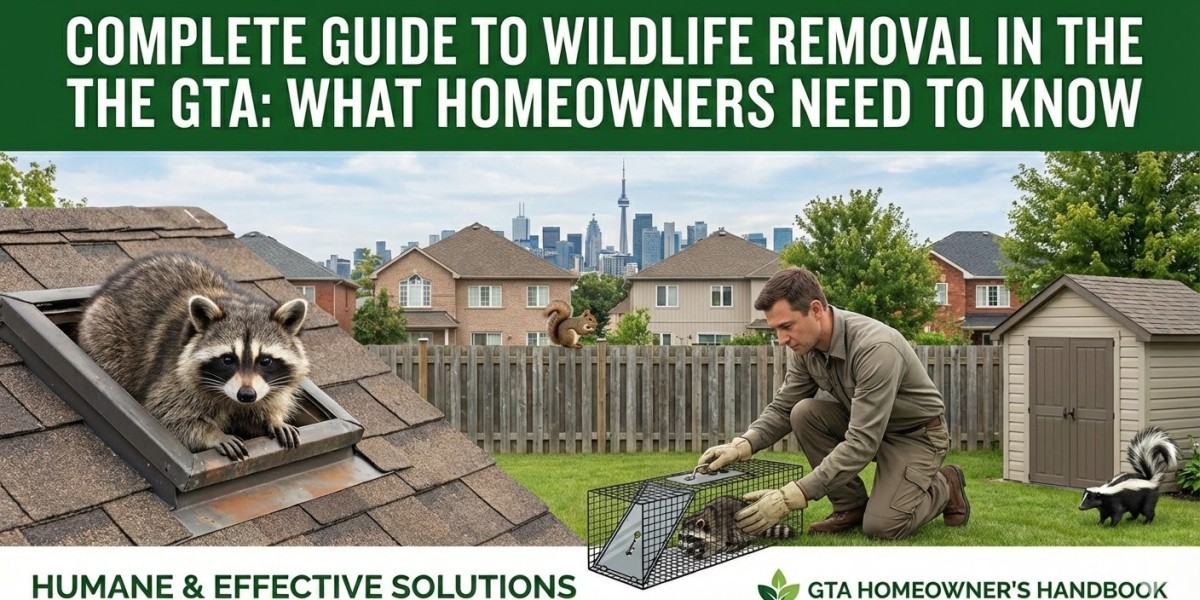

Living in the Greater Toronto Area means sharing our urban spaces with various wildlife species. While it's wonderful to coexist with nature, problems arise when animals decide to make your home their home. Understanding how to handle wildlife intrusions safely and humanely is essential for every homeowner.
Understanding Urban Wildlife Challenges
The GTA's expanding suburban areas create the perfect environment for wildlife encounters. As cities like Toronto, Vaughan, and Brampton continue to grow, natural habitats shrink, pushing animals into residential neighborhoods.
Common wildlife visitors include raccoons, squirrels, skunks, bats, and birds. These creatures aren't just looking for shelter—they're seeking warmth, food, and safe places to raise their young. Your attic, chimney, or garage might seem like the perfect sanctuary to them.
Why Professional Wildlife Removal Matters
Many homeowners attempt DIY removal, but this approach often backfires. Wild animals can be unpredictable and potentially dangerous when cornered. They may carry diseases like rabies, and their presence can cause significant property damage.
Professional wildlife control experts understand animal behavior patterns. They know where animals hide, how they enter homes, and the most effective removal methods. More importantly, they follow humane practices that comply with local wildlife protection laws.
Attempting removal yourself risks injury to both you and the animal. It can also lead to incomplete removal, meaning the problem returns within weeks. Professional services ensure the entire family unit is removed and prevent future intrusions.
Common Wildlife Issues in Toronto and Surrounding Areas
Raccoons
These intelligent creatures are perhaps the most common nuisance in urban areas. Raccoons can tear through roof shingles, destroy insulation, and create massive messes in attics. They're most active during spring when mothers search for denning sites.
Squirrels
Both red and gray squirrels frequently invade attics and walls. They chew through electrical wiring, creating serious fire hazards. Their constant gnawing can damage wooden structures and create entry points for other pests.
Skunks
These animals typically burrow under decks, sheds, and porches. While generally non-aggressive, they spray when threatened, creating an unbearable odor that lingers for weeks. Removing skunks requires special techniques to avoid spraying.
Bats
Protected by law in many situations, bats require careful handling. They squeeze through tiny openings and establish colonies in attics. Their droppings (guano) pose health risks and can damage insulation.
The Professional Removal Process
Understanding what happens during professional wildlife control helps homeowners know what to expect.
Initial Inspection: Experts conduct thorough property assessments, identifying entry points, damage extent, and the species involved. They look for signs like droppings, nesting materials, and structural damage.
Humane Removal: Professionals use species-specific methods to safely remove animals. This might include one-way doors that allow animals to exit but not re-enter, or live trapping when necessary.
Exclusion and Prevention: After removal, all entry points are sealed with durable materials. This prevents future intrusions and is the most critical step in the process.
Cleanup and Restoration: Contaminated insulation is removed, areas are sanitized, and damaged structures are repaired. This eliminates health hazards and restores your home's integrity.
Wildlife Control in Different GTA Regions
Toronto Wildlife Removal
The city's dense population and older housing stock create unique challenges. Historic homes often have multiple entry points, and proximity to ravines means constant wildlife pressure. Toronto wildlife removal services help homeowners schedule preventive inspections annually.
Vaughan Wildlife Removal
Vaughan's mix of new developments and green spaces attracts various wildlife. Newer homes might seem secure, but animals find ways in through construction gaps and unscreened vents. Vaughan wildlife removal specialists note that the area's growing population pushes wildlife into increasingly residential areas.
Brampton Wildlife Control
Brampton's suburban sprawl borders on rural areas, creating a wildlife corridor. Residents here often deal with larger animal populations and more persistent intrusion attempts. Wildlife control in Brampton requires extra vigilance for properties near wooded areas.
Prevention Tips for Homeowners
Prevention is always easier and more cost-effective than removal. Here are practical steps to protect your home:
Secure garbage bins with tight-fitting lids or store them in garages until collection day. Animals are primarily attracted to easy food sources, and unsecured trash is an open invitation.
Trim tree branches that hang over your roof. Squirrels and raccoons use these as highways to access your home. Maintain at least six feet of clearance between branches and your roofline.
Install chimney caps and vent covers. These simple barriers prevent most animal entries while allowing proper ventilation. Ensure screens are in good repair and replace damaged ones immediately.
Remove potential food sources from your yard. Don't leave pet food outside, clean up fallen fruit, and secure compost bins properly.
Inspect your home's exterior regularly. Look for gaps, cracks, or damaged areas that could allow entry. Pay special attention to where different materials meet, around utility lines, and near the roofline.
When to Call Wildlife Control Experts
Certain situations require immediate professional attention. Call experts if you hear scratching or movement in walls or ceilings, especially at night. This indicates animals have already moved in.
Contact professionals immediately if you see baby animals. Mother animals are extremely protective and dangerous when defending their young. Never attempt to handle babies yourself.
Strange odors, especially in enclosed spaces, often indicate animal presence, nesting, or even deceased animals. These situations require professional assessment and cleanup.
Visible property damage like torn shingles, damaged soffits, or holes in siding means animals have breached your home's defenses. Quick action prevents further damage and larger colonies from establishing.
The Cost of Delayed Action
Postponing wildlife removal seems like a money-saving strategy, but it typically costs more long-term. Animal damage compounds over time. What starts as a small entry hole becomes extensive structural damage.
Health risks increase with prolonged animal presence. Accumulated droppings and urine create hazardous conditions. Some diseases transmitted by wildlife can be serious or even fatal.
Animals reproduce quickly. A single squirrel can become a family of six within months. Addressing problems early prevents population explosions that are harder and more expensive to resolve.
Choosing the Right Wildlife Control Service
Not all wildlife removal services are equal. Look for companies with proper licensing and insurance. This protects you from liability and ensures professional standards.
Ask about their removal methods. Ethical companies use humane techniques and follow legal requirements for protected species. They should explain their process clearly and answer your questions.
Check for comprehensive services. The best providers offer inspection, removal, exclusion, cleanup, and prevention in one package. This ensures complete problem resolution.
Read reviews and ask for references. Other homeowners' experiences provide valuable insights into service quality and reliability.
Working With Wildlife Professionally
Professional wildlife control means more than just removing animals. It's about creating long-term solutions that protect both your home and local wildlife populations.
The goal is peaceful coexistence where wildlife thrives in appropriate habitats while your home remains secure. This balanced approach benefits everyone and maintains the natural ecosystem that makes the GTA special.
By understanding wildlife behavior and taking preventive measures, you can avoid most intrusions. When problems do occur, professional help ensures safe, humane, and effective resolution. Learn more about comprehensive wildlife control solutions to protect your home and family.
Frequently Asked Questions
How quickly can wildlife removal services respond to emergencies?
Most professional services offer same-day or next-day appointments for urgent situations. Emergency cases involving aggressive animals or immediate safety concerns often receive priority response within hours. Non-emergency situations might be scheduled within 24-48 hours, depending on seasonal demand.
Is wildlife removal humane and legal?
Reputable companies follow strict humane treatment standards and comply with provincial wildlife protection laws. Many species have specific protection periods, especially during breeding seasons. Professionals understand these regulations and use methods that prioritize animal welfare while effectively solving your problem.
What's the average cost of wildlife removal services?
Costs vary based on the animal species, infestation severity, and required repairs. Simple exclusions might cost a few hundred dollars, while extensive removals with significant damage repair can reach several thousand. Most companies offer free inspections and detailed quotes before beginning work.
Can I remove wildlife myself to save money?
DIY removal is strongly discouraged due to safety risks, legal complications, and effectiveness concerns. Without proper knowledge, you might violate wildlife protection laws, get injured, or fail to fully resolve the problem. Professional removal typically costs less than medical bills or repeat DIY attempts.
How long does the wildlife removal process take?
Timeline depends on the situation's complexity. Simple exclusions might be completed in one day, while larger infestations requiring multiple visits can take several weeks. One-way door systems need time for animals to exit naturally. Your service provider will give you a realistic timeline during the initial inspection.
Will wildlife return after removal?
When proper exclusion techniques are used, recurrence is unlikely. Professionals seal all entry points with durable materials and may offer warranties on their work. However, new animals might attempt entry through different areas, which is why ongoing prevention and periodic inspections are recommended.
What damage can wildlife cause if left untreated?
Wildlife can cause extensive damage including chewed electrical wiring (fire hazard), destroyed insulation, contaminated living spaces, structural wood damage, destroyed ductwork, and health hazards from droppings and parasites. The longer animals remain, the more severe and expensive the damage becomes.